
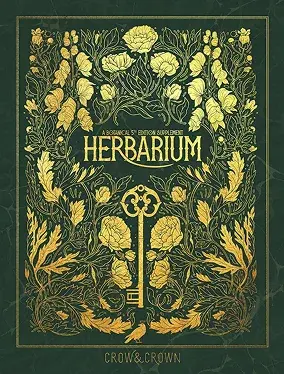
When we talk about the history of graphic design, one of the earliest and most influential movements to shape the discipline is the Arts and Crafts Movement. Emerging in Britain in the late 19th century, this movement was more than just a design style—it was a philosophy that reshaped the way artists, craftsmen, and eventually designers thought about their work.
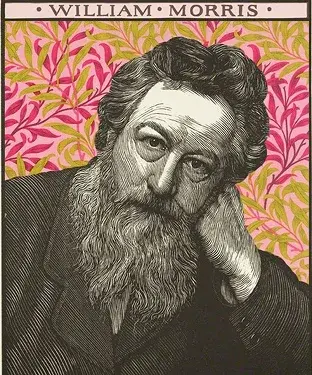
The Arts and Crafts Movement was born as a reaction to the Industrial Revolution. Factories had begun mass-producing goods, leading to a decline in craftsmanship and aesthetic quality. Figures like William Morris, often considered the father of the movement, believed in reviving the beauty of handcrafted work, where form and function went hand in hand.
In graphic design, the Arts and Crafts Movement emphasized:
Morris and his Kelmscott Press became synonymous with this style, producing books that were not only functional but works of art in themselves.
The Arts and Crafts Movement laid the groundwork for many graphic design principles we still value today:
Even in our digital-first era, the Arts and Crafts philosophy resonates. The rise of hand-lettering, custom typography, and artisanal design in branding and packaging today echoes the same values: authenticity, craftsmanship, and attention to detail.
The Arts and Crafts Movement reminds us that design isn’t just about visuals—it’s about intention, care, and creating work that connects deeply with people.
✦ The Arts and Crafts Movement wasn’t just about reviving craft; it was about redefining design as a human-centered, meaningful practice. And that spirit continues to inspire graphic designers even today.
let’s talk design, internet culture, or your latest playlist
