

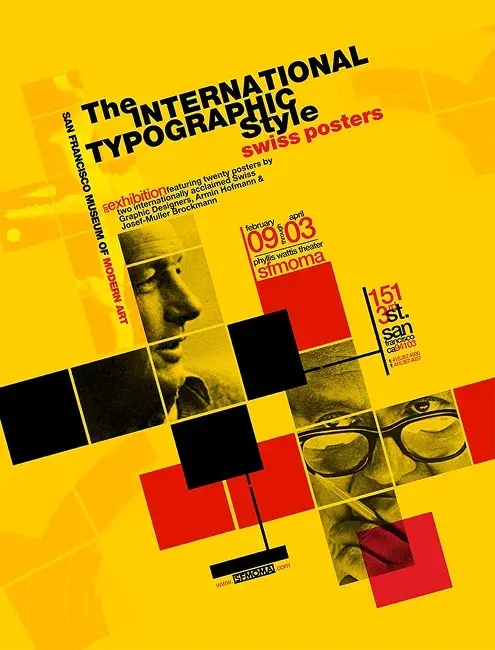
By the mid-20th century, graphic design entered a new era of clarity, order, and universality. Known as the Swiss Style or International Typographic Style, this movement became one of the most influential design approaches of the modern age—and it still defines much of today’s branding, publishing, and digital design.
The Swiss Style emerged in Switzerland and Germany during the 1940s and 1950s, developed by designers such as:
In a post-war world seeking clarity and communication, designers moved away from decorative excess and embraced rational, functional design.
Swiss Style is immediately recognizable for its:
This approach turned graphic design into a global language—clean, objective, and timeless.
The impact of Swiss Style is profound:
From corporate identities to sleek app interfaces, Swiss Style remains the backbone of modern design. Its emphasis on function, clarity, and universality continues to guide how designers communicate visually in an increasingly globalized world.
✦ Swiss Style wasn’t just a design trend—it was the establishment of a visual language built on clarity, neutrality, and timeless precision.
let’s talk design, internet culture, or your latest playlist
